
Solenoids drive motion in systems requiring speed, control, and repeatability. They operate valves, lock mechanisms, trigger movements, and support automated equipment across medical, industrial, automotive, and defense fields. When engineers select a solenoid, they rarely focus solely on appearance or broad specifications. Instead, they seek reliable performance under the exact conditions their equipment will encounter.
That level of performance begins well before final assembly. It starts with design choices, material selection, and production methods that determine how the finished unit will perform in the field. A robust manufacturing process converts an electrical input into consistent mechanical movement without wasted motion, unstable force, or premature wear.
Companies relying on solenoids for vital operations need more than a generic part. They require a manufacturing partner that understands how each production step impacts force, stroke, duty cycle, heat, and long-term reliability. When you examine the process closely, you see why quality manufacturing matters at every stage. This guide will provide a look at the solenoid manufacturing process.
Starting With the Application
Every successful solenoid starts with a clear understanding of its required function. Engineers determine the needed stroke, force, response time, voltage, current limits, mounting constraints, and operating conditions before production begins. These factors influence every subsequent decision.
A solenoid designed for an indoor controlled system doesn’t face the same demands as one used in high-vibration equipment or exposed to moisture, dust, or temperature fluctuations. Manufacturing teams must understand whether the solenoid will cycle continuously, hold its position for extended periods, or operate in short bursts. They also need to consider space constraints, connector types, and overall system performance goals.
That early alignment is important because it keeps the design practical. It also minimizes expensive revisions later in the process. When the manufacturing team understands the end use from the beginning, they can build a solenoid that supports the entire system instead of forcing the system to adapt around the component.
Building the Design
Once the application requirements become clear, the design phase begins. Engineers develop the magnetic and mechanical layouts that will generate the desired motion. They specify the coil properties, plunger shape, housing dimensions, spring force, and the travel path of the moving parts.
Small design tweaks can lead to significant performance differences. Coil turns, wire gauge, and resistance influence current draw and heat generation. Core materials impact magnetic efficiency. Air gaps affect pull force and responsiveness. Tolerances influence smooth movement and repeatable actuation. When the design team manages these variables effectively, the finished solenoid provides consistent performance over time.
This phase also allows manufacturers to suggest modifications that enhance manufacturability. A design might work in theory, but cause unnecessary complexity during production. Smart revisions can streamline assembly, reduce variation, and improve long-term consistency without sacrificing performance.
Choosing the Right Materials
Material selection influences both performance and durability. The housing, plunger, bobbin, coil wire, insulation, seals, and springs must all meet the operating requirements of the final product. A mismatch in any of these components can reduce efficiency or shorten service life.
Magnetic components require materials that support consistent and reliable magnetic flow. Moving parts need surfaces that resist wear while ensuring smooth operation. Coil materials must withstand thermal loads and electrical demands without failing. Seals and insulation should endure the surrounding environment and potential media exposure.
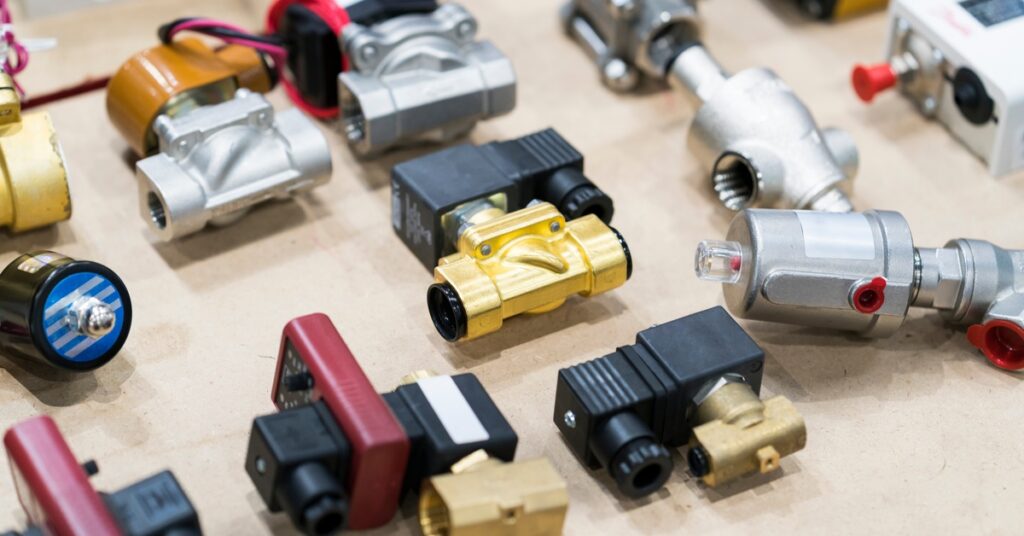
In fluid control applications, choosing the right materials is even more critical. That’s why water solenoid valve manufacturers focus heavily on corrosion resistance, sealing materials, and internal compatibility with the fluid path. These choices affect not only product longevity but also response quality and maintenance requirements.
Winding the Coil
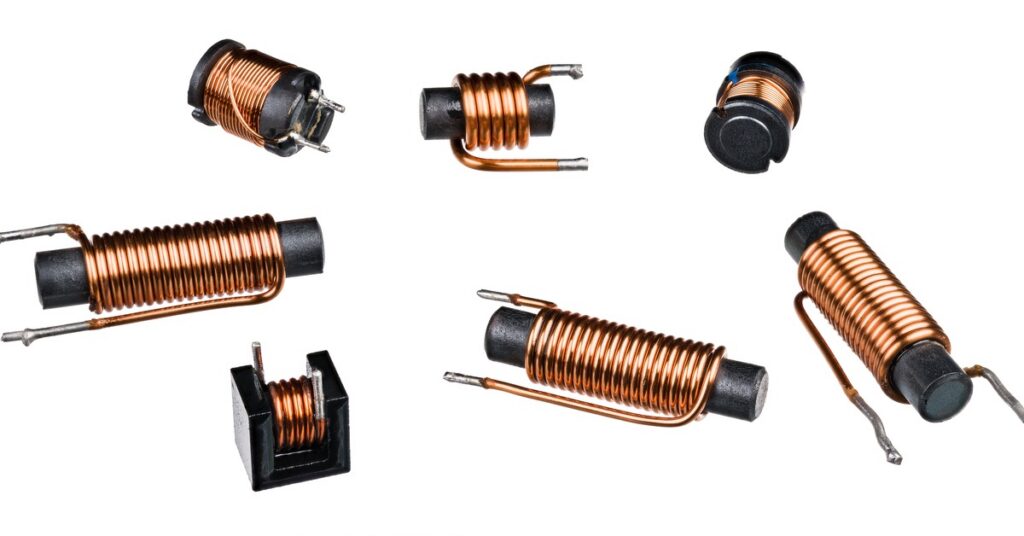
The coil is at the core of the solenoid function. It generates the magnetic field that moves the internal mechanism, so manufacturers consider coil winding a precise process rather than just a simple manufacturing step. The winding must create a consistent pattern, maintain stable tension, and have the correct number of turns.
Poor winding can lead to uneven magnetic performance, excess heat, or early electrical failure. That’s why experienced manufacturers carefully control wire handling during production. They also protect the wire insulation throughout the process, since even minor damage can weaken the coil under operating load.
After winding, teams often add lead connections, insulation layers, and protective treatments based on the product design. They may also test resistance and continuity before moving the component to the next stage. That early verification helps identify issues before assembly progresses.
Machining and Forming Components
While coil production advances, other teams machine and shape the metal parts that form the solenoid’s structure and movement path. These parts include the housing, plunger, stop surfaces, sleeves, pole pieces, and mounting features. Each component requires precise dimensional control.
A solenoid relies on smooth movement and precise magnetic control. If dimensions fluctuate, moving parts might bind, force output could shift, or stroke might differ between units. Even minor deviations can impact performance in high-cycle or tightly managed systems.
Manufacturers often use a combination of machining, stamping, forming, and secondary finishing operations to make these parts. The selected methods depend on the design, production volume, and required tolerances. Good process control here ensures repeatability and smooth assembly later.
Assembling the Solenoid
Assembly combines electrical and mechanical parts into a complete unit. Teams install the coil, position the magnetic core components, fit the plunger and spring, attach connectors or leads, and secure the housing. At this stage, accuracy is just as important as speed.
Assembly errors can impact stroke, force, alignment, and electrical reliability. That’s why reputable manufacturers establish clear work instructions, controlled tooling, and in-process inspections within their assembly lines. They avoid leaving critical fit or orientation details to guesswork.
Custom work often introduces another layer of complexity. Specialized mounting brackets, connector options, encapsulation methods, or sealing features might be involved at this stage. Manufacturers experienced in custom solenoid production know how to ensure consistency, even when the configuration varies between projects.
Testing for Performance
A finished solenoid needs to do more than power on. It needs to perform to spec under real operating conditions. Testing verifies that the unit meets electrical, mechanical, and durability requirements before it moves into service.
Manufacturers may test pull force, stroke distance, current draw, resistance, response time, insulation integrity, and temperature behavior. Depending on the application, they may also run cycle testing, environmental testing, or leak-related checks for valve assemblies. These steps help confirm that the solenoid can handle the demands of its intended use.
Effective testing also enhances traceability and process improvement. When manufacturers monitor results carefully, they can identify variation early, fix production problems more quickly, and keep tighter control over future batches. This kind of discipline is crucial in industries where reliability and repeatability influence purchasing decisions.
Supporting Prototyping and Production Scale
Not every solenoid project starts at full production volume. Many begin with prototypes or small-volume runs that help engineers confirm fit, performance, and system behavior. A capable manufacturer supports that process instead of treating prototyping and production as separate stages.
During prototyping, teams may adjust force targets, stroke length, coil performance, or packaging details based on real-world testing. These adjustments help improve the final design before larger production starts. When the same manufacturer manages both phases, communication tends to remain more consistent and transitions become smoother.
Scaling production introduces new challenges. Tooling strategy, sourcing stability, quality checks, and assembly flow all must support increased volume without sacrificing accuracy. Manufacturers that plan for scale early can transition from prototype to repeated production more smoothly and with greater consistency.
Closing Thoughts
The solenoid manufacturing process integrates engineering judgment, precise production, and practical problem solving. Every step counts, from the initial application review to the final performance test. When these steps work together, the result is a component that performs reliably where it matters most.
Businesses that source solenoids for demanding systems should look beyond headline specs and ask how the product is made. Manufacturing discipline often reveals more about future performance than a basic datasheet ever could. When the process remains strong, the finished solenoid is prepared to support the equipment, the operator, and the larger operation it serves.