
A filling machine opens the valve for the next container just as the previous one leaves the line. In a hospital laboratory, an analyzer initiates a cleaning cycle before the next sample. Both systems rely on precise electrical control of flow.
Solenoid valves convert electrical commands into changes in gas or liquid flow. Their compact design suits equipment that needs a quick, repeatable response. Industries use those solenoid valves in surprisingly different ways. For equipment engineers, understanding those differences helps narrow the design choices.
Industrial Manufacturing
On an automated assembly line, timing drives output. Pneumatic cylinders move fixtures into place, while other mechanisms release parts or reposition tooling. Solenoid valves direct compressed air to those actuators so the machinery can follow its programmed sequence.
A valve that switches inconsistently can disrupt an otherwise well-coordinated process. Engineers consider response time alongside flow capacity, especially when equipment cycles repeatedly during a shift. They also examine coil heating during extended operation.
Some assemblies have limited space for standard components. In those cases, custom solenoids can enable a tighter package or meet a specific electrical requirement without redesigning the machine.
Medical Equipment
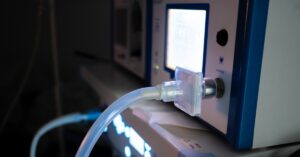
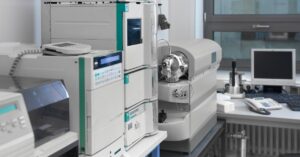
Respiratory devices and laboratory instruments depend on carefully controlled gas or liquid paths. A ventilator may use a valve to regulate a supply path during breathing cycles. An analyzer may switch between samples and cleaning fluids before another measurement.
These applications place special demands on the components that contact the fluid. Engineers review leakage limits and material compatibility to protect the intended process. A valve for oxygen service, for example, requires a different evaluation from one that handles ordinary compressed air.
Size also counts. A miniature valve can fit inside crowded equipment, but it must still match the system’s flow and timing requirements.
Water and Wastewater Treatment
Treatment plants must move water through a series of controlled processes. Solenoid valves can manage smaller flow paths and pilot larger process valves. They also support sampling and automated flushing.
Water quality adds another design consideration. Minerals and suspended particles can interfere with moving parts in some flow paths. Engineers select appropriate sealing materials and consider how the equipment will handle contamination over time.
A plant also needs straightforward maintenance. Accessible connections can simplify replacement during service. In applications with larger flow demands, a pilot-operated configuration may make more sense than a direct-acting valve, provided the available pressure differential supports its operation.
Food and Beverage Processing
Food and beverage facilities need reliable fluid control from filling through cleaning. Solenoid valves can operate utility-water lines or control compressed air that moves equipment along a packaging line. They may also direct cleaning fluids through specific parts of a machine.
The fluid determines the component requirements. When a valve contacts a food product, engineers must evaluate suitable materials and hygienic design features. A valve controlling compressed air outside the product path faces a different set of priorities.
Cleaning temperatures also influence seals. Equipment builders should distinguish product-contact duties from utility functions before choosing valve specifications.
Automotive and Transportation
Vehicles use electronically controlled fluid systems for functions that range from transmission operation to emissions management. Depending on the subsystem, a solenoid valve may direct hydraulic pressure or regulate vapor flow. Electrical commands let the controller adjust those functions as operating conditions change.
Transportation equipment also experiences vibration and wide temperature swings. A valve must maintain predictable motion across its specified operating range, even as fluid viscosity or supply voltage changes.
Manufacturers prioritize cycle life and consistent response. They also consider how a valve fits the surrounding assembly. A suitable package can shorten internal fluid passages and make the final system easier to manufacture.
Agriculture and Irrigation
Irrigation controllers use electrically operated valves to direct water into selected zones. Instead of opening every line at once, a controller can run watering schedules based on the needs of each area. Operators gain control over when water reaches the field.
Outdoor conditions create their own challenges. Dirt and moisture can reach exposed electrical connections, while water pressure varies across large networks. Engineers need to match valve construction to the site and its expected operating range.
Many irrigation valves use a solenoid to pilot a larger diaphragm valve. That arrangement lets a small actuator control substantial water flow. It also means the valve’s performance depends on the pressure conditions in the line.
Energy and Chemical Processing
Energy facilities and chemical plants use valves to manage process fluids and instrument air. A solenoid may control the pilot air that operates a larger valve, allowing the control system to change the process flow without directly driving the main valve.
Selection starts with the medium. Aggressive chemicals can attack unsuitable seals, and hazardous locations may require specific electrical protection or approvals. Engineers also assess whether the valve should open or close when power disappears.
Those decisions involve the full control arrangement, not just the solenoid. A matched valve supports predictable operation, but the system must address process hazards.
HVAC and Refrigeration
Heating and cooling equipment uses valves to manage refrigerant or water flow. In refrigeration circuits, a solenoid valve can stop liquid refrigerant flow during shutdown or another control sequence. Other systems use electrically operated valves to route water through heating equipment.
The application determines what the valve must tolerate. Refrigerant compatibility and operating pressure are essential in one system, while water temperature may dominate another design.
Engineers also account for how frequently the valve switches. Repeated operation can create thermal demands on the coil, while an unsuitable pressure rating can limit performance. Matching the valve to the specific circuit helps avoid premature troubleshooting.

Aerospace and Defense
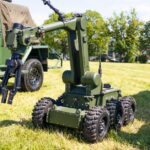
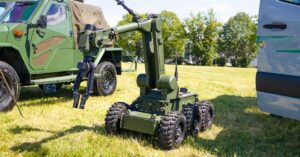
Aircraft support systems and defense equipment often work within tight size and weight limits. Solenoid valves can control pneumatic functions or route fluids through onboard equipment, depending on the system architecture. Electrical actuation controls those paths without bulky mechanical linkages.
Vibration and extreme temperatures complicate component selection. Engineers assess mounting strength and coil performance. They also look at what happens when the electrical supply drops or the system loses power.
A custom valve can address unusual mounting geometry or a demanding duty cycle. However, teams still need application-specific qualification testing before they rely on the component in service.
Choosing the Right Valve
Each industry starts with a practical question. What fluid will the valve handle, and how quickly must it respond? The answers help determine valve type and material selection.
Engineers should then check pressure range and electrical demands under realistic operating conditions. A catalog specification may not predict behavior inside the final assembly. Early prototype testing helps reveal those gaps before production.
The Right Fit for Every Industry
The top industries that depend on solenoid valve tech have different requirements for their equipment. A valve that keeps a packaging line moving may need different response times and materials than one in an oxygen delivery device. The right design starts with knowing the job the valve must perform.
When equipment calls for more than a standard solution, Solenoid Systems can help engineering teams explore options that match specific performance requirements. Reach out to discuss the flow control challenges behind your next project.