
Solenoid valves are fundamental components in countless automated systems, acting as electromechanical gatekeepers that control the flow of liquids and gases. At their core, these devices convert electrical energy into mechanical motion. An electric current passes through a solenoid coil, creating a magnetic field that moves a plunger, which in turn opens or closes an orifice within the valve body. This simple yet effective mechanism allows for precise, automated control over fluids, making solenoid valves indispensable across a vast range of industries.
From the complex machinery in industrial manufacturing to the fuel injection systems in modern vehicles, the reliability of solenoid valves is paramount. They are the unseen workhorses that regulate everything from water in commercial kitchens to volatile chemicals in processing plants. Understanding how they function is key to optimizing any system that relies on fluid control. A critical aspect of their function is the concept of the flow path, which dictates how media travels through the valve and determines its specific application. Check out this beginner’s guide to solenoid valve flow paths to learn more.
The Role of Flow Paths in Solenoid Valves
A flow path is the route that a fluid or gas takes as it moves through a solenoid valve. The internal configuration of the valve defines this path, including the number of ports and the default state of the valve’s orifice. The design of the flow path directly influences how the valve operates, whether it simply starts and stops flow, diverts it to different channels, or mixes media from multiple sources.
The configuration of these paths is typically described by the number of ways and positions the valve has. For instance, a 2-way valve has two ports and manages flow along a single path, either permitting or blocking it. A 3-way valve, with its three ports, offers more complex control, such as diverting flow from one path to another. The number of possible operational states, or positions, further defines the valve’s functionality. This arrangement directly affects performance metrics such as flow rate, response time, and pressure-handling capabilities, making the flow path a central element of solenoid valve design and selection.
Solenoid Valve Types and Flow Configurations
Solenoid valves are categorized based on their de-energized state, which determines their default flow path. This distinction is critical for system safety and efficiency.
A normally closed (NC) valve has a flow path that becomes blocked when the coil doesn’t become energized. In this default state, a spring or other mechanism holds the plunger against the valve seat, sealing the orifice and preventing media from passing through. When the coil receives an electrical current, the resulting magnetic field lifts the plunger, opening the flow path. Applications use this configuration where they need to initiate flow on command, such as in irrigation systems or dispensing machines. It also serves as a fail-safe in many systems, as the valve will automatically close and stop flow if power is lost.
Conversely, a normally open (NO) valve allows media to pass through its flow path when the coil is de-energized. In its resting state, the orifice is open. Energizing the coil creates a magnetic field that pulls the plunger down to seal the orifice, thereby stopping the flow. This type of valve is ideal for applications that require continuous flow but only need periodic interruption, such as in some cooling or ventilation systems. In the event of a power failure, an NO valve will remain open, which can be a crucial safety feature for processes that need to maintain circulation.
Beyond these basic types, more complex flow paths enable advanced control. Diverter valves, a type of 3-way valve, are designed to redirect media from a single inlet to one of two possible outlets. When de-energized, flow becomes directed to one outlet port; when energized, the valve shifts to redirect flow to the second outlet port. This functionality is essential in systems that need to alternate between two different processes or destinations.
Mixing valves also typically use a 3-way configuration, combining media from two separate inlets into a single outlet. These valves enable precise blending of fluids or gases, making them vital for applications that require specific concentrations or temperatures, such as chemical processing or hot water systems.
Key Factors Influencing Solenoid Valve Flow
The performance of a solenoid valve’s flow path is subject to several operational variables.
Pressure
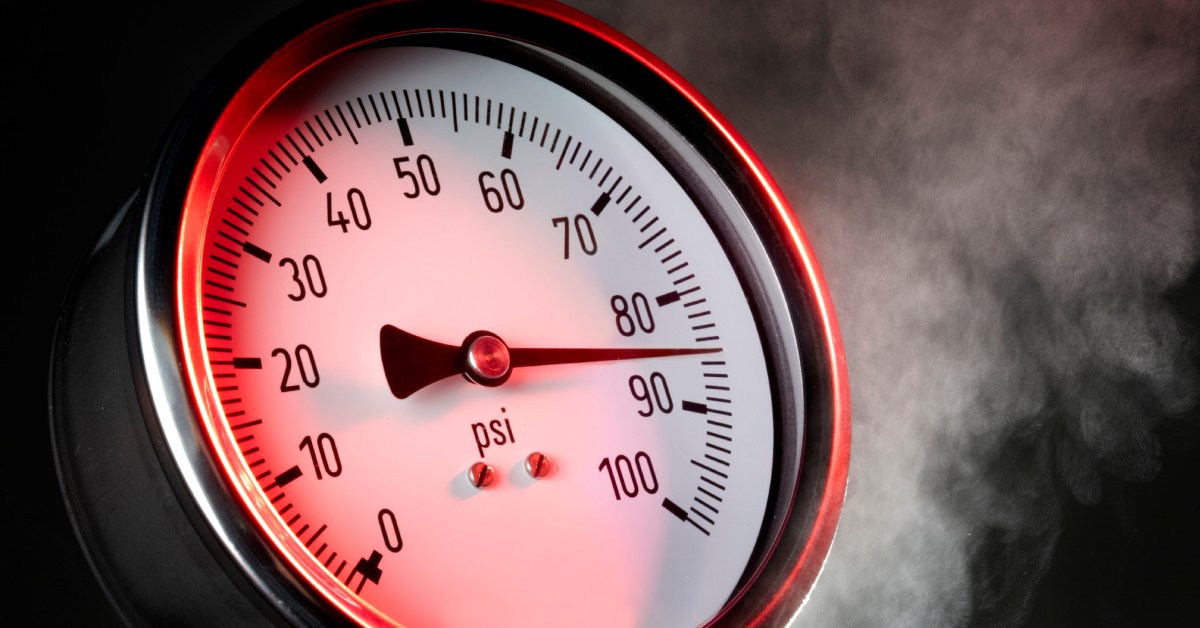
The most significant of these is pressure. The pressure differential, which is the difference between the inlet and outlet pressures, directly affects the flow rate. A greater pressure differential generally results in a higher flow rate, but it also requires more force from the solenoid to open or close the valve. Valves will operate within specific pressure ranges, and exceeding these limits can lead to malfunction or failure.
Temperature
Temperature also plays a critical role. Both the media temperature and the ambient temperature can affect valve performance. High temperatures can affect the viscosity of the fluid, which in turn alters the flow characteristics. Extreme temperatures may also impact the materials of the valve seals and the performance of the solenoid coil itself, potentially reducing its lifespan or causing it to fail.
Media Type
Finally, the type of media the valve is controlling is a fundamental consideration. Different fluids and gases have unique properties, such as viscosity, density, and chemical composition. Viscous fluids, like oil, will flow more slowly than less viscous fluids, like water, under the same pressure conditions. Corrosive media require valves constructed from resistant materials to prevent degradation of the valve components. The solenoid valve design must account for these properties to operate reliably and effectively.

Common Applications for Solenoid Flow Paths
The versatility of solenoid valve flow paths makes them useful in a wide array of applications across many industries.
Industrial Automation
In industrial automation, solenoid valves are essential for controlling hydraulic and pneumatic systems that power robots, conveyors, and other manufacturing equipment. Their rapid response time and precision are critical for maintaining the high speeds and accuracy required in modern production lines.
Automotive Industry
The automotive industry relies heavily on solenoid valves to manage various systems within vehicles. They control fuel injection, manage automatic transmission fluid, and regulate anti-lock braking systems. The ability of these valves to operate reliably under the demanding conditions of a vehicle, including vibrations and extreme temperatures, is a testament to their robust engineering.
Chemical Plants
In chemical plants, solenoid valves handle the precise control of hazardous and corrosive materials. Their automated operation enhances safety by minimizing the need for manual intervention in potentially dangerous environments. They manage the flow of chemicals in mixing processes, dosing systems, and waste treatment facilities.
Fluid Management Systems
Fluid management systems in sectors ranging from water treatment to commercial food service also depend on solenoid valves. In water management, they provide accurate control for distribution, filtration, and irrigation. In a commercial kitchen, they might control the flow of water to a dishwasher or steam to an oven, showcasing their utility in both large-scale and everyday applications.
Optimizing Systems Through Flow Path Knowledge
A thorough understanding of solenoid valve flow paths is not just a technical exercise; it is a prerequisite for designing and maintaining efficient, reliable, and safe automated systems. Choosing the correct valve type—whether normally open, normally closed, or a more complex diverter or mixing configuration—directly impacts system behavior, energy consumption, and fail-safe characteristics. By carefully considering the flow path in conjunction with operational factors like pressure, temperature, and media type, engineers can optimize performance and extend the longevity of their equipment. As technology continues to advance, innovations in materials and intelligent control will further enhance the capabilities of solenoid valves, opening new possibilities for automation and fluid control.