
Medical devices have to respond quickly, repeat reliably, and support precise control in spaces where every component counts. That’s exactly where solenoids earn their place. These compact electromechanical devices convert electrical energy into controlled motion, which helps medical equipment open valves, move latches, regulate flow, and trigger actions with impressive speed.
Modern medical technology depends on components that can perform the same motion thousands or even millions of times without taking up much room. Solenoids fit that need because they combine simple construction with dependable performance. Engineers can design them for small handheld tools, large diagnostic systems, fluid control assemblies, and automated treatment equipment.
As medical device design keeps moving toward smaller, smarter, and more responsive systems, solenoids continue to support that progress. They help manufacturers create devices that feel seamless to clinicians while delivering the control that patients and care teams depend on.
1. Controlling Fluid Delivery
Many medical devices need precise fluid movement. Solenoids help control the flow of saline, medication, cleaning fluids, and other liquids inside pumps, analyzers, and treatment equipment. When a device needs to start, stop, or redirect fluid quickly, a solenoid valve can handle that action with fast response times and repeatable motion.
Infusion pumps often rely on compact control components to manage dosing. A solenoid can open or close a flow path at the right moment, which helps the system deliver fluid according to programmed settings. Designers often choose these components because they can fit into tight layouts without adding unnecessary complexity.
Fluid control also plays a major role in diagnostic machines. These systems may move small liquid samples through chambers, channels, and testing zones. Solenoids help direct those samples through the correct path while supporting clean, repeatable operation.
2. Supporting Respiratory Equipment
Respiratory devices need dependable airflow control. Ventilators, oxygen delivery systems, and related equipment use solenoids to manage air, oxygen, and pressure changes. In these applications, fast actuation helps the device respond to patient needs and clinical settings.
A solenoid valve can open and close airflow passages according to the control system’s commands. That action helps regulate inspiration, expiration, pressure relief, and gas mixing. The device’s electronics send the signal, and the solenoid turns that signal into mechanical movement.
Some respiratory systems need more than simple on and off control. Engineers may choose proportional solenoids when they need variable control over flow or pressure. These components can adjust movement based on input current, which gives designers a way to fine-tune performance in more advanced systems.

3. Managing Pressure in Medical Systems
Pressure control affects many types of medical equipment. Devices that move air, liquid, or vacuum pressure need components that can react consistently to changing conditions. Solenoids help regulate pressure by opening vents, shifting flow paths, or activating release mechanisms.
Blood pressure monitors, compression therapy equipment, suction systems, and lab analyzers may all use solenoid-driven control. Each application places different demands on response time, sealing, noise, and power use. A well-matched solenoid helps the device meet those demands without adding excess size or mechanical complexity.
Pressure management also supports device safety and comfort. A solenoid can release pressure at the right time, stop flow when the system reaches a set point, or switch between pressure levels during operation. That level of control gives engineers more flexibility as they refine system behavior.
4. Powering Surgical Tools
Surgical tools need compact motion that responds immediately to user input. Solenoids can provide that motion in handheld instruments, powered tools, and specialized surgical systems. Their fast action makes them useful for clamping, locking, releasing, cutting, or positioning small internal mechanisms.
Designers often value solenoids in surgical tools because they can deliver linear motion without complex linkages. A compact actuator can move a plunger or latch directly, which helps reduce part count and conserve space inside the tool. That kind of design can make the device easier to package and easier to control.
Surgical environments also demand repeatability. A tool must behave the same way each time a clinician activates it. Solenoids support that consistency because they respond predictably to electrical input when engineers match the design to the application.
5. Automating Diagnostic Equipment
Diagnostic systems often process many samples in a controlled sequence. Solenoids help automate those sequences by moving valves, gates, locks, probes, and other small mechanisms. Their quick actuation keeps the system moving from one step to the next without relying on manual control.
Automated analyzers may use solenoids to route fluids, handle reagents, engage seals, or control wash cycles. Each movement supports a larger workflow inside the device. The clinician may only see a simple interface, but the internal system depends on many precise actions happening in the right order.
Solenoids also help diagnostic equipment maintain compact footprints. Medical labs and point-of-care settings often need powerful tools that don’t take over the workspace. Small electromechanical components help manufacturers build systems that combine capability with efficient packaging.
6. Activating Drug Delivery Devices
Drug delivery devices need accurate timing and dependable actuation. Solenoids can help trigger valves, release mechanisms, or pumping actions in systems that deliver medication through controlled pathways. These applications can include infusion devices, wearable delivery systems, and automated dosing equipment.
A solenoid can respond to a signal from the device’s controller and create the motion needed to start or stop delivery. That direct relationship between electrical input and mechanical action makes solenoids useful in devices that need predictable behavior. Engineers can also tune the actuator for force, stroke, power draw, and response time.
Wearable medical devices create extra design challenges because they need compact components with low power demands. Solenoids can support those goals when the application calls for short, controlled movements. The right design can help the device operate comfortably while still performing its core function.
7. Improving Patient Monitoring Devices
Patient monitoring devices collect information, control small flows, and trigger internal movements during operation. Solenoids can help these systems manage sampling, calibration, inflation, venting, and switching functions. They bring reliable motion into devices that clinicians use throughout hospitals, clinics, and home care settings.
For example, a monitor that uses pneumatic control may need to inflate and deflate a cuff. Solenoid valves can regulate the airflow and help the device follow its programmed sequence. A gas monitoring system may also use solenoids to move sample air through sensors or calibration paths.
These devices often run in environments where noise, heat, and power use influence the user experience. Engineers can choose solenoid designs that support quieter operation, efficient actuation, and long service life. That design work helps the final product feel more refined and dependable.
8. Controlling Access and Locking Functions
Medical devices often need controlled access to cartridges, chambers, doors, tools, or medication compartments. Solenoids can drive locking and release mechanisms that keep parts secure during operation. When the system receives the correct signal, the solenoid moves a latch or pin and allows access.
This use appears in drug dispensing equipment, diagnostic cartridges, sterilization systems, and powered carts. A solenoid lock can help the device control when a user can remove a component or start the next step. That kind of function supports workflow discipline and helps the device prevent unintended access during active operation.
Solenoid locks also give engineers a clean way to connect software decisions with physical movement. The control system can approve an action, and the solenoid can make that action happen. That simple link between logic and motion works well in modern connected medical equipment.
9. Supporting Portable and Home Care Devices
Medical care no longer happens only in hospitals. Portable and home care devices now handle tasks that once required larger clinical equipment. Solenoids help these smaller devices deliver controlled motion in compact packages.
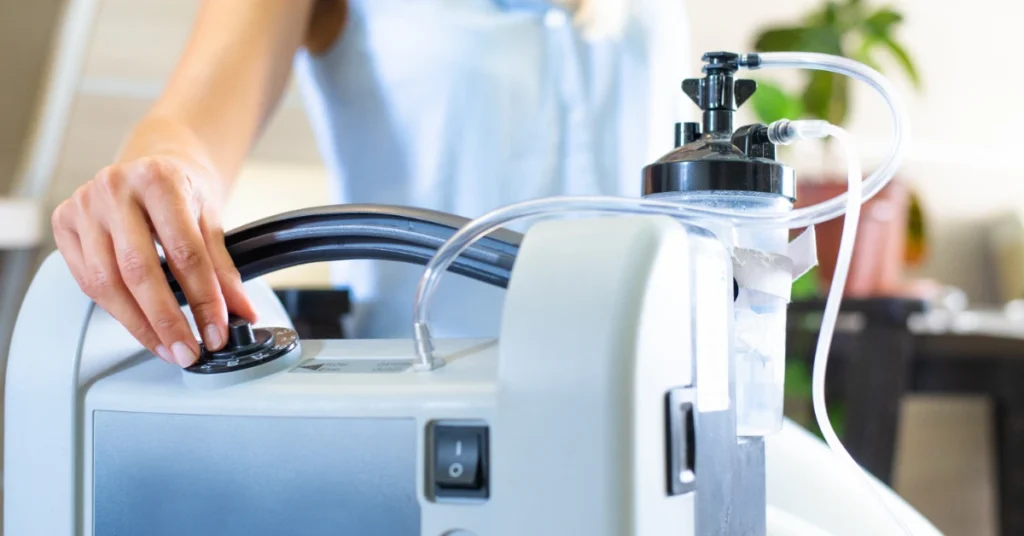
Home dialysis equipment, portable oxygen systems, wearable pumps, and compact diagnostic tools may all need valves, latches, or actuators that respond reliably. Designers have to balance size, power use, noise, and durability. Solenoids can meet those requirements when engineers select the right coil, materials, stroke, and force profile.
Portability also changes how users interact with the device. Patients and caregivers need equipment that works smoothly without constant attention. Solenoids support that experience by automating small internal actions that would otherwise require manual adjustment.
Small Parts With Big Influence
Solenoids may not draw much attention from the outside of a medical device, but they often perform critical work inside the system. They open and close flow paths, regulate air and liquid movement, trigger mechanisms, manage pressure, and help devices respond at the right moment.
Their value comes from a practical combination of speed, control, compact size, and repeatability. Medical device designers can use them in many different ways, from simple on and off functions to more refined motion and flow control. That flexibility makes solenoids a strong fit for equipment that needs dependable action without unnecessary complexity.